

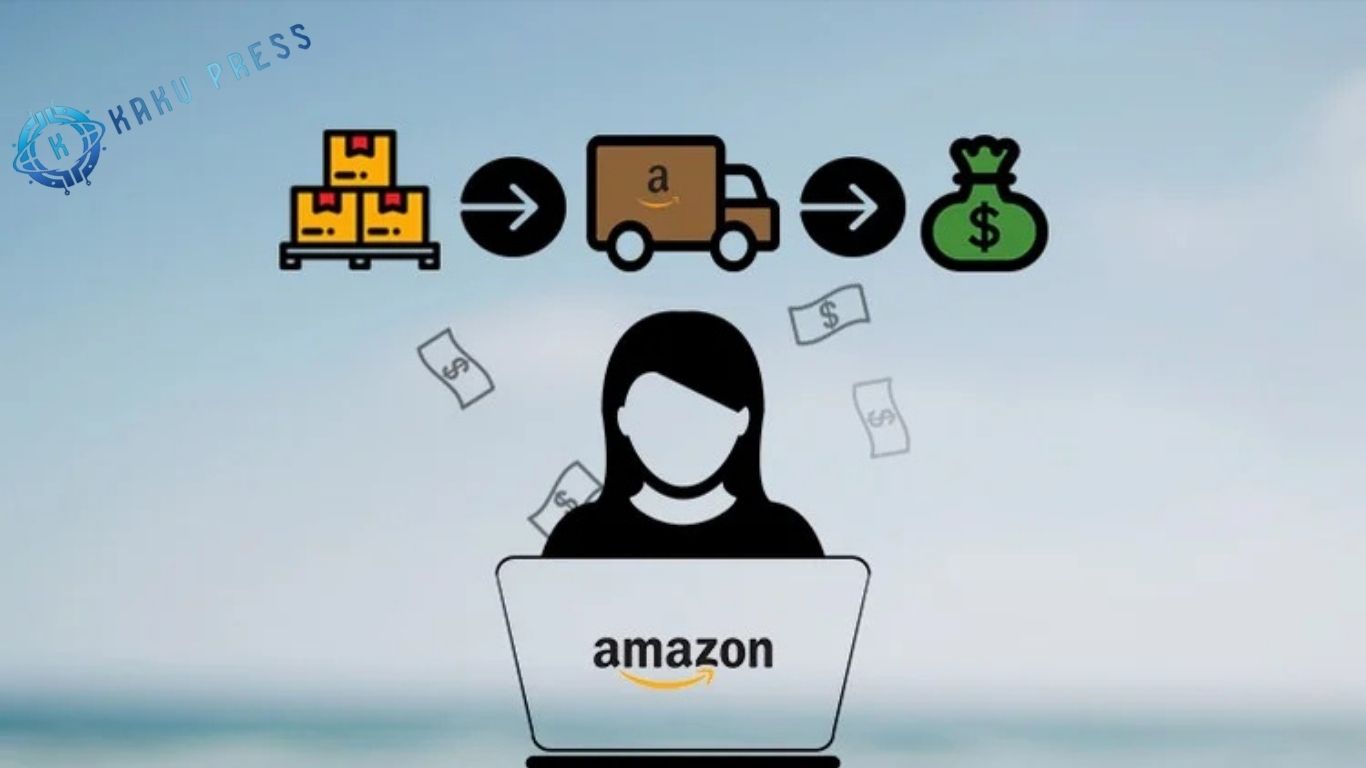
Amazon reselling has become one of the most lucrative online business opportunities for individuals looking to earn income through e-commerce. This model involves sourcing products from suppliers, wholesalers, or retail stores and selling them on Amazon for profit. From retail arbitrage to private-label branding, Amazon reselling offers a variety of strategies, each presenting unique opportunities and challenges for aspiring entrepreneurs looking to grow their online retail business.
Understanding Amazon Reselling
Amazon reselling allows entrepreneurs to tap into Amazon’s massive global marketplace, connecting products with millions of potential buyers worldwide. Successful resellers source inventory from multiple channels, including retail stores, wholesale suppliers, clearance sales, liquidation auctions, and online marketplaces. Once acquired, these products are listed on Amazon with optimized pricing, strategic marketing, and efficient fulfillment methods, all aimed at maximizing profits and growing an e-commerce business.
Types of Amazon Reselling
Retail Arbitrage
Retail arbitrage is one of the easiest ways to start reselling on Amazon. It involves purchasing products from physical retail stores at discounted prices and reselling them on Amazon for a profit. Resellers capitalize on price differences between brick-and-mortar stores and online marketplaces, leveraging Amazon’s global reach to reach a larger audience.
Online Arbitrage
Online arbitrage involves sourcing products from online retailers such as eBay, Walmart, or Target and selling them on Amazon. This strategy requires careful research to find high-demand items with profitable margins after accounting for Amazon fees and shipping costs, making it a scalable method for beginners and experienced sellers alike.
Wholesale Reselling
Wholesale reselling involves buying products in bulk from trusted wholesale suppliers at discounted rates. By leveraging economies of scale, resellers can offer competitive pricing on Amazon while maintaining healthy profit margins. This method works best for entrepreneurs looking to grow their Amazon business and handle larger inventory volumes.
Private Labeling
Private labeling is an advanced Amazon reselling strategy where sellers create their own branded products. This involves sourcing items from manufacturers, adding custom branding, and selling them exclusively on Amazon. Private label resellers focus on building brand recognition, customer loyalty, and long-term business growth, making it a powerful approach for serious e-commerce entrepreneurs.
Key Considerations for Amazon Resellers
Product Research
Successful Amazon resellers focus on thorough product research to identify profitable niches and high-demand, low-competition items. Tools like Jungle Scout, Helium 10, and Keepa help analyze sales trends, competitor performance, and pricing patterns, enabling sellers to make data-driven decisions and maximize profits.
Profit Margins and Pricing
Accurately calculating profit margins is critical for long-term success in Amazon reselling. Sellers must factor in Amazon fees, shipping costs, taxes, and other expenses when setting product prices to ensure they remain competitive yet profitable. Smart pricing strategies help maintain a sustainable business model.
Fulfillment Methods
Amazon resellers can choose between Fulfillment by Amazon (FBA) and Fulfillment by Merchant (FBM).
- FBA allows sellers to utilize Amazon’s logistics network for storage, packing, and shipping, saving time and simplifying operations.
- FBM offers more control over the fulfillment process but requires sellers to handle storage, packaging, and shipping independently. Choosing the right method depends on business size, goals, and resources.
Compliance and Regulations
Adhering to Amazon’s policies and regulations is essential for protecting your account and business. Resellers must ensure product authenticity, condition standards, and respect for intellectual property rights. Staying compliant helps prevent account suspensions, legal issues, and reputational damage while maintaining long-term business growth.
Challenges of Amazon Reselling
While Amazon’s reselling offers significant profit opportunities, it also comes with its own set of challenges:
High Competition
The e-commerce market is extremely competitive, requiring resellers to differentiate their products through unique value propositions, strong branding, or exceptional customer service to attract and retain buyers.
Market Saturation
Many popular product categories are highly saturated, making it harder for new sellers to stand out and achieve consistent sales growth. Identifying less competitive niches can help maintain profitability and long-term success.
Inventory Management
Efficient inventory management is essential to prevent overstocking or stockouts, which can hurt profitability. Resellers need to forecast demand accurately and optimize stock levels to reduce storage costs while meeting customer needs.
Customer Satisfaction
Maintaining excellent customer satisfaction is crucial. Responding promptly to inquiries, handling returns effectively, and ensuring high product quality help build positive reviews, boost seller ratings, and encourage repeat purchases.
Success Strategies for Amazon Resellers
Build a Strong Brand
Stand out in the competitive Amazon marketplace by developing a distinct brand identity. Focus on branding, attractive packaging, and an excellent customer experience to foster loyalty, repeat purchases, and long-term business growth.
Optimize Product Listings
Maximize your sales potential by creating high-converting Amazon listings. Use high-quality images, detailed product descriptions, and relevant keywords to improve search visibility, click-through rates, and conversions.
Diversify Sourcing Channels
Reduce risk and expand your product portfolio by exploring multiple sourcing channels, including wholesalers, liquidation sales, and online marketplaces. Diversifying sourcing helps maintain inventory levels and protects your business from supply chain disruptions.
Commit to Continuous Learning
Stay ahead of the competition by keeping up with e-commerce trends, Amazon policies, and industry best practices. Regularly updating your knowledge allows you to adapt strategies, optimize operations, and grow your Amazon reselling business successfully.
Frequently Asked Questions
What is Amazon reselling?
Amazon reselling is the business of purchasing products from suppliers, retailers, or wholesalers and selling them on Amazon for a profit. It allows entrepreneurs to leverage Amazon’s global marketplace to reach millions of potential customers.
How do I start an Amazon reselling business?
To start, choose a reselling strategy such as retail arbitrage, online arbitrage, wholesale, or private labeling. Research products, set up an Amazon seller account, and create optimized listings to begin selling.
What are the most profitable Amazon reselling strategies?
Popular strategies include retail arbitrage, online arbitrage, wholesale reselling, and private labeling. Each offers unique opportunities depending on your budget, experience, and long-term business goals.
How important is product research in Amazon reselling?
Product research is crucial for identifying profitable niches, high-demand items, and low-competition products. Tools like Jungle Scout, Helium 10, and Keepa help analyze sales trends, competition, and pricing dynamics.
How can I maximize profits in Amazon reselling?
To maximize profits, calculate accurate profit margins, optimize product pricing, minimize costs, diversify sourcing, and improve product listings for better visibility and conversions.
What are the common challenges in Amazon reselling?
Challenges include high competition, market saturation, inventory management, and maintaining customer satisfaction. Successful resellers differentiate their products and stay up to date with market trends.
How do I build a successful Amazon brand?
Focus on branding, packaging, and customer experience. Creating a memorable brand encourages loyalty, repeat business, and higher visibility in Amazon search results.
Conclusion
Amazon reselling offers a highly lucrative path to e-commerce entrepreneurship, allowing individuals to turn products into profits by leveraging Amazon’s global marketplace. From retail and online arbitrage to wholesale reselling and private labeling, there are multiple strategies for sellers at every experience level.
