

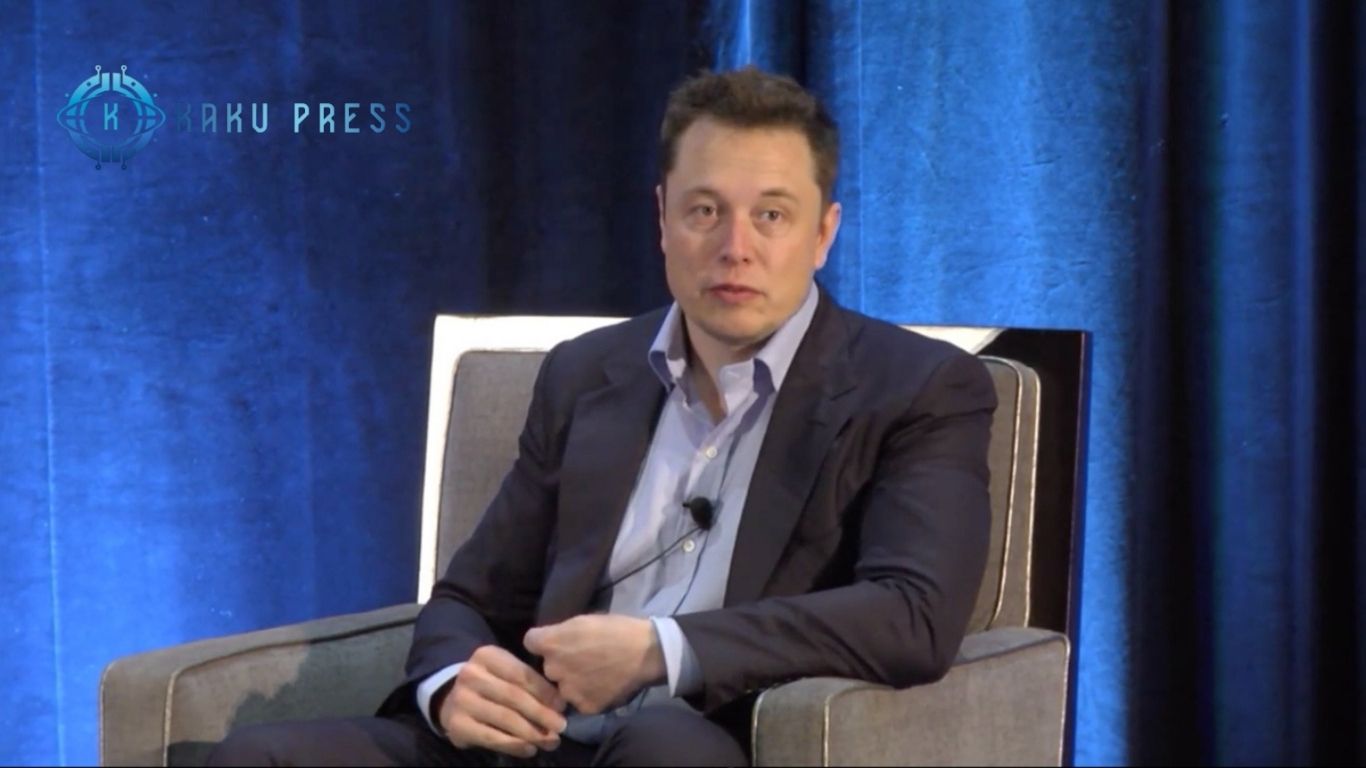
Elon Musk, the visionary CEO of SpaceX, recently shared exclusive insights into the company’s ambitious Mars mission. He outlined the progress, technological breakthroughs, and challenges of making human life multi-planetary. Musk’s passion for space exploration and colonizing Mars stems from his belief that humanity’s survival ultimately depends on expanding beyond Earth.
Elon Musk, the visionary entrepreneur and CEO of SpaceX and Tesla, recently granted an exclusive interview, sharing groundbreaking updates on his ambitious plans for space exploration and humanity’s future. From SpaceX’s Mars mission to innovations in rocket technology, Musk revealed insights into the challenges, breakthroughs, and long-term goals of making humans a multi-planetary species.
Progress and Technological Breakthroughs
Musk highlighted that SpaceX has achieved significant advancements in rocket technology through the development of Starship, the most powerful spacecraft ever built. Starship is engineered to carry large payloads and up to 100 passengers on interplanetary missions, paving the way for sustainable space travel.
“Starship has already completed several successful test flights, and we’re now focused on refining its reusability and safety features,” Musk explained. Reusable rockets are essential for reducing costs and increasing the frequency of Mars missions, making interplanetary travel more feasible.
In addition, Musk revealed major improvements in Raptor engines, which power Starship. These engines utilize liquid methane and oxygen resources that can be produced on Mars itself. This technology is crucial for creating a sustainable fuel supply for return missions, allowing a Mars colony to operate independently from Earth.
Challenges and Risks of Mars Exploration
Despite these advancements, Musk acknowledged the enormous challenges involved in colonizing Mars. “Radiation exposure, food and water supply, and psychological strain on astronauts are some of the key issues we’re working to solve,” he said. Developing a reliable life-support system and advanced cosmic radiation shielding are top priorities for the SpaceX team.
Landing on Mars and establishing infrastructure presents additional hurdles. Musk explained that SpaceX plans to send cargo missions first, carrying essential supplies and construction materials. Automated systems will start building habitats and solar power grids before the arrival of the first human crew, ensuring a safer and more efficient colonization process.
Timeline and Future Goals
Regarding the timeline for human missions, Musk remains optimistic. “We aim to land the first humans on Mars by the early 2030s,” he stated. His long-term vision includes a self-sustaining colony with one million people by the end of the century, ensuring humanity’s survival in the event of a catastrophic event on Earth.
Elon Musk’s Vision for Humanity
Musk concluded, “Becoming a multi-planetary species is the next step in human evolution. Mars is just the beginning.” His unwavering commitment to space exploration and human survival drives SpaceX’s ambitious goals. If successful, this mission could mark the dawn of a new era for humanity, redefining what is possible for generations to come.
Frequently Asked Questions
What did Elon Musk reveal in his exclusive interview?
In his exclusive interview, Elon Musk shared updates on SpaceX’s Mars mission, technological breakthroughs like Starship and Raptor engines, and his long-term vision for making humans a multi-planetary species.
What is SpaceX’s plan for human missions to Mars?
SpaceX plans to send cargo missions first to deliver supplies and build infrastructure. The first human mission to Mars is targeted for the early 2030s, aiming for a self-sustaining colony over time.
What technological advancements did Elon Musk discuss?
Musk highlighted innovations in Starship spacecraft design, reusable rockets, and Raptor engines that use methane and oxygen resources that can be produced on Mars to support long-term missions.
What are the main challenges of colonizing Mars?
Key challenges include radiation exposure, food and water supply, psychological strain on astronauts, and building habitats and energy infrastructure before human arrival.
What is Elon Musk’s vision for humanity’s future?
Musk envisions humanity becoming a multi-planetary species, starting with Mars. He believes establishing a self-sustaining colony will ensure survival and open new possibilities for human civilization.
How does SpaceX plan to make Mars colonization sustainable?
By using reusable rockets, producing fuel on Mars with available resources, and deploying automated systems for habitat construction, SpaceX aims to create a safe, self-sufficient human settlement on Mars.
Conclusion
Elon Musk’s exclusive interview offers a rare glimpse into the future of space exploration and humanity’s potential beyond Earth. From the technological breakthroughs of Starship and Raptor engines to the ambitious timeline for Mars colonization, Musk’s vision is both bold and methodical.
With SpaceX leading the charge, the dream of a multi-planetary civilization is moving closer to reality. As Musk emphasized, the Mars mission is only the beginning of humanity’s journey into the stars a journey that could ensure our survival, spark technological innovation, and inspire generations to come.
