

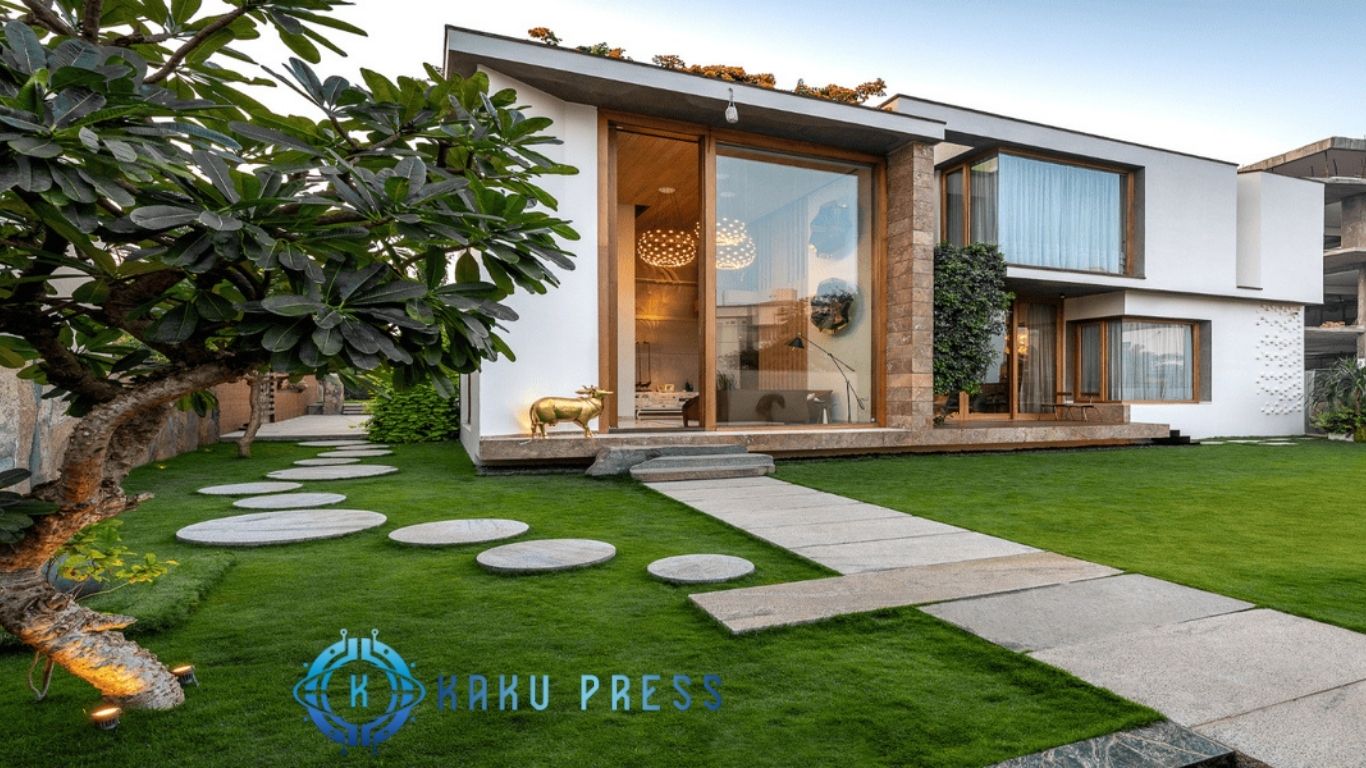
Creating an eco-friendly home doesn’t have to drain your wallet. While many assume that sustainable living requires expensive materials and high-tech installations, smart planning and resourceful choices can help you build a green home affordably. Eco-friendly homes reduce energy consumption, limit waste, and promote a sustainable lifestyle. Here’s a practical guide to achieving this on a budget.
Building an eco-friendly home doesn’t have to cost a fortune. With the right strategies, sustainable materials, and energy-efficient design, you can create a home that’s kind to both the environment and your wallet. In 2026, more homeowners are prioritizing green living, not just for environmental reasons but also to reduce long-term costs. This guide will show you how to build a budget-friendly eco-friendly home step by step.
How to be more eco-friendly in 2026
Being eco-friendly in 2026 means making small but impactful changes in your daily life that reduce your carbon footprint and support sustainable living. Start by adopting energy-efficient habits, such as switching to LED lighting, using smart thermostats, and choosing renewable energy sources when possible. Reduce waste by embracing reusable products, recycling responsibly, and composting organic materials. Opt for sustainable transportation, like biking, walking, carpooling, or using electric vehicles. Additionally, supporting eco-conscious brands, buying locally sourced products, and conserving water can collectively make a big difference for the planet. By integrating these practices, you can live a greener lifestyle without compromising convenience or comfort.
Choose a Sustainable Location
The location of your home significantly affects its environmental impact. Whenever possible:
- Select a site that maximizes natural light and ventilation, reducing the need for artificial lighting and air conditioning.
- Build near public transportation, schools, or essential services to minimize car use and lower your carbon footprint.
Use Recycled and Reclaimed Materials
Using recycled or reclaimed materials is a cost-effective way to stay eco-friendly:
- Reclaimed Wood: Ideal for flooring, furniture, and structural elements.
- Salvaged Bricks & Metal: Reduce construction costs and give your home unique character.
- Many demolition sites and salvage yards offer high-quality materials at a fraction of the price of new ones.
Opt for Energy-Efficient Design
A smart design can drastically reduce energy costs. Consider these budget-friendly strategies:
- Passive Solar Design: Position windows to let in winter sunlight and block summer heat.
- Proper Insulation: Affordable options like recycled denim or cellulose help maintain temperature efficiently.
- Cool Roofs: Light-colored roofing materials reflect heat and lower cooling costs.
Choose Affordable Eco-Friendly Building Materials
Sustainable materials don’t have to be expensive. Consider these alternatives:
- Bamboo: Strong, renewable, and more affordable than hardwood.
- Compressed Earth Blocks: Made from local soil, energy-efficient, and cost-effective.
- Straw Bales: Provide excellent insulation at a low cost.
Install Energy-Efficient Systems
Investing in energy-efficient appliances and systems can reduce long-term costs:
- LED Lighting: Uses less energy and lasts longer than traditional bulbs.
- Solar Water Heaters: More affordable than full solar panels while cutting electricity use.
- Energy Star Appliances: Reduce both water and energy consumption, saving money over time.
Harvest Rainwater and Reduce Water Waste
Water conservation is key to eco-friendly living:
- Install a rainwater harvesting system for irrigation and household use.
- Use low-flow faucets and toilets to reduce water consumption without extra costs.
Incorporate DIY and Second-Hand Items
Going green doesn’t mean buying everything new:
- Look for second-hand furniture, doors, and fixtures from thrift stores or online marketplaces.
- DIY projects, like repurposing old materials, cut costs and reduce waste.
How to create a budget friendly eco-friendly home
Creating a budget-friendly eco-friendly home is all about combining sustainability with smart planning. Start by selecting a location that maximizes natural light and airflow, reducing energy needs for heating, cooling, and lighting. Use recycled, reclaimed, or locally sourced materials such as salvaged wood, recycled bricks, or bamboo which are cost-effective and environmentally responsible. Incorporate energy-efficient designs like passive solar heating, proper insulation, and reflective roofing to lower utility bills. Choose affordable eco-friendly building materials like straw bales, compressed earth blocks, or bamboo, and invest in energy-saving systems, including LED lighting, solar water heaters, and Energy Star appliances. Finally, embrace DIY projects and second-hand furniture to minimize costs and waste. With careful planning, it’s possible to build a home that’s both green and budget-conscious without compromising comfort or style.
Frequently Asked Questions
What is a budget-friendly eco-friendly home?
A budget-friendly eco-friendly home is designed to reduce energy consumption, minimize waste, and use sustainable materials without high construction costs. It combines smart planning with cost-effective green solutions.
How can I save money building an eco-friendly home?
You can save by using recycled or reclaimed materials, choosing energy-efficient systems, incorporating DIY projects, and selecting a location that maximizes natural light and ventilation.
What are some affordable eco-friendly building materials?
Popular options include bamboo, compressed earth blocks, straw bales, recycled wood, and salvaged bricks, all of which are sustainable and cost-effective.
How do energy-efficient designs help reduce costs?
Energy-efficient designs, such as passive solar orientation, proper insulation, and cool roofs, reduce heating, cooling, and electricity bills while keeping your home comfortable year-round.
Can I make my home eco-friendly without installing solar panels?
Yes. You can implement eco-friendly features like LED lighting, energy-efficient appliances, rainwater harvesting, smart landscaping, and low-flow water fixtures without expensive solar installations.
Is it possible to build an eco-friendly home on a tight budget in 2026?
Absolutely. With smart planning, use of recycled materials, energy-efficient design, and DIY approaches, you can create a sustainable home that is affordable and environmentally responsible.
Conclusion
Building a budget-friendly eco-friendly home in 2026 is both achievable and rewarding. By carefully selecting a sustainable location, using recycled or affordable materials, incorporating energy-efficient designs, and embracing DIY solutions, you can create a home that minimizes environmental impact while saving money. Sustainable living doesn’t have to be expensive small, smart choices add up to big benefits for your wallet and the planet. With planning, creativity, and commitment, your eco-friendly home can be a comfortable, stylish, and responsible space that stands the test of time.
