

Colors play a powerful role in shaping human emotion and lived experience, but there is a particularly intriguing aspect of this influence: the colors we cannot name.
These are often described as “indescribable” or “in-between” shades colors that sit quietly between familiar categories, just outside the limits of what language has defined. Although we cannot easily label them, their emotional impact can be just as strong, if not stronger, than recognizable colors.
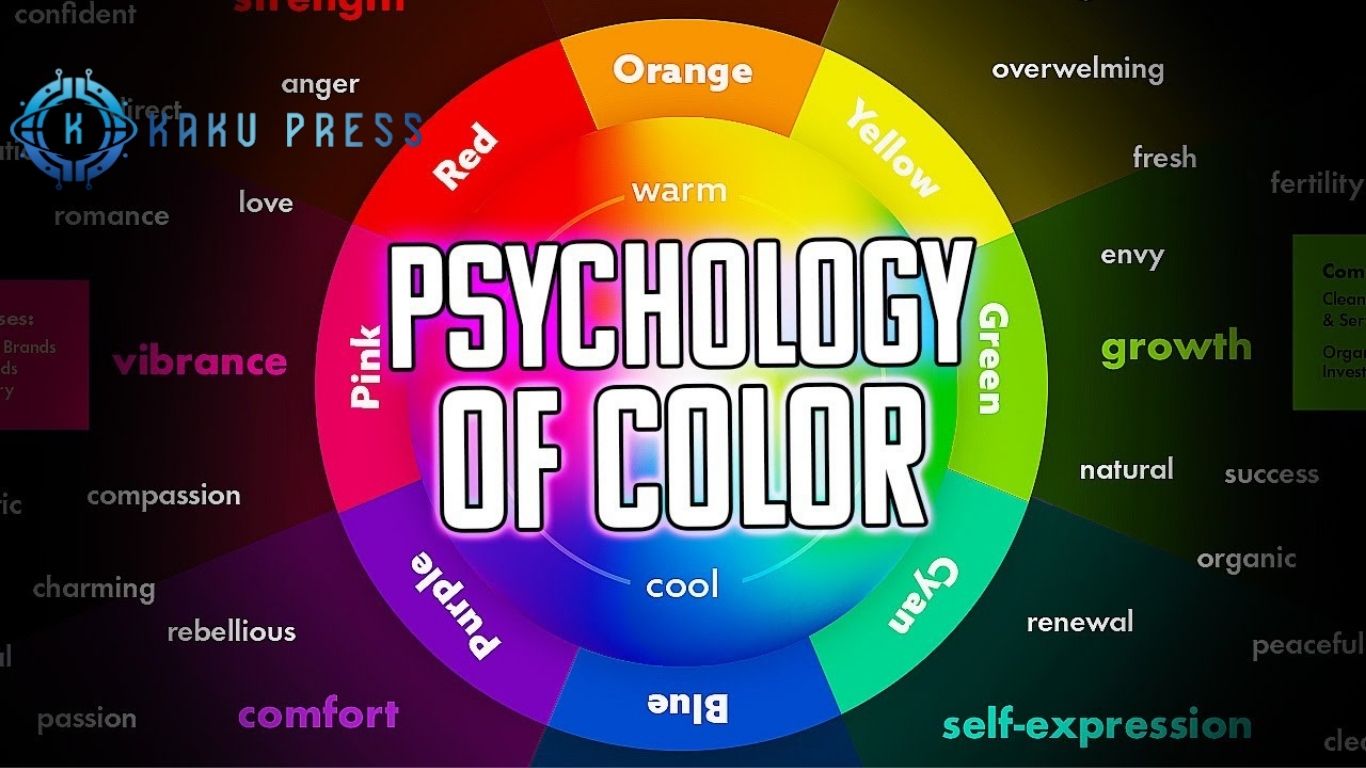
Our brains are naturally wired to organize color into familiar groups such as red, blue, or green. Over time, these categories have developed emotional meanings. Red is commonly associated with passion, urgency, or danger, while blue is often linked to calmness, stability, and peace.
Yet between these clearly defined tones exists a wide spectrum of subtle blends and transitions colors that resist classification. These are the shades without names, and they often evoke more layered and ambiguous emotional responses.
For instance, consider a hue that exists somewhere between soft lavender and pale pink. It doesn’t fully belong to either category, yet feels distinct in its own right. Such a color might evoke quiet nostalgia, softness, or an unexplainable sense of calm. Because there is no specific word to anchor it, the emotional response becomes more personal and less structured, shaped entirely by perception rather than language.
Interestingly, unnamed colors can also produce discomfort or cognitive tension. When we encounter a shade that doesn’t fit into our mental color categories, the brain struggles to classify it. This moment of uncertainty can create a subtle sense of unease or disorientation. The emotional reaction is still real it is simply harder to explain because there is no linguistic reference point to support it.
Beyond visual perception, these unnamed colors can also influence dreams, memories, and emotional impressions. They may appear as vague sensations something slightly off, unfamiliar, or difficult to describe. Over time, the mind may begin to associate these undefined hues with certain moods or experiences, even without the ability to name them.
The Science of Color Perception in the Human Brain
To understand untitled colors, it is important to first understand how the brain processes color.
The human eye detects color through light-sensitive cells called cones, which respond to different wavelengths of light. The brain then interprets these signals and organizes them into recognizable categories. humans develop a mental “color map,” where certain wavelengths are grouped and labeled as specific colors. This is why we recognize basic colors such as red, blue, yellow, and green.
The visible light spectrum is continuous not segmented. This means there are infinite variations between each color. Many of these variations do not have formal names, yet they are still perceived by the brain.These in-between shades are what we refer to as untitled colors.
What Are Untitled Colors? Understanding the Unnamed Spectrum
Untitled colors are hues that fall outside standard naming conventions. They are often subtle blends, gradients, or transitional tones that do not fit neatly into defined categories.
For example:
- A shade between lavender and blush pink
- A muted tone between teal and gray
- A soft transition between beige and pale green
While we may describe them, we do not always have single-word labels for them. This lack of naming does not reduce their presence in perception. Instead, it changes how we emotionally interpret them. Without a fixed label, the brain relies more heavily on emotional and sensory processing rather than linguistic categorization.
How Language Shapes Color Perception
Language plays a powerful role in how we understand color. When a color has a name, our brain quickly connects it to stored emotional associations. For example:
- Red → energy, urgency, passion
- Blue → calmness, trust, stability
- Yellow → warmth, optimism
when a color does not have a name, the brain cannot rely on pre-existing emotional shortcuts. Instead, it must interpret the color in real time.This creates a more personal and subjective emotional response. Untitled colors are therefore less about shared meaning and more about individual perception.
Emotional Responses to Untitled Colors
Untitled colors often evoke more complex emotional reactions than named colors. These reactions can be subtle, layered, and sometimes difficult to describe.
1: Calmness and Emotional Softness
Many unnamed pastel or blended tones create a sense of calm. Because they lack strong categorical identity, they feel gentle and non-intrusive to the senses.
These colors are often associated with:
- Relaxation
- Emotional neutrality
- Quiet reflection
2: Nostalgia and Memory Triggers
Untitled colors frequently evoke nostalgia. Since they are not tied to clear definitions, the brain may associate them with fragmented or emotional memories instead of logical categories. This is why certain vague shades can feel “familiar” without being recognizable.
3: Emotional Ambiguity
Some untitled colors create emotional uncertainty. The mind senses something is present but struggles to define it.
This can result in feelings such as:
- Mild discomfort
- Curiosity
- Cognitive tension
The emotional ambiguity itself becomes part of the experience.
Perception Without Labels: Why the Brain Struggles and Adapts
Human cognition relies heavily on categorization. Labels help us organize the world efficiently. However, untitled colors challenge this system.
When the brain encounters a color it cannot easily categorize, it goes through a process of adaptation:
- Initial recognition of the visual stimulus
- Attempt to match it with known categories
- Emotional interpretation without linguistic support
If no match is found, the brain shifts toward experiential processing rather than classification. This is why untitled colors often feel more “felt” than “identified.”
The Psychological Effect of Visual Ambiguity
Ambiguity plays a significant role in emotional psychology. When something cannot be easily defined, the mind fills in gaps using emotion, memory, and imagination.
Untitled colors often trigger this effect. Instead of saying “this is blue-green,” the mind may respond with:
- “This feels peaceful”
- “This reminds me of something soft or distant”
- “This feels unfamiliar but pleasant”
This shift from naming to feeling is a key reason untitled colors are so emotionally powerful.
Untitled Colors in Art and Design
Artists and designers frequently use untitled or ambiguous colors to evoke emotional depth.
In visual art, subtle gradients and blended tones are used to:
- Create atmosphere
- Suggest mood rather than define reality
- Encourage personal interpretation
In interior design, soft neutral blends can make spaces feel:
- More spacious
- Emotionally balanced
- Less visually aggressive
In digital design and branding, untitled colors are increasingly used to create modern, minimal, and emotionally adaptable aesthetics.The absence of a strict name allows viewers to interpret the color personally, increasing emotional engagement.
Dreams, Memory, and the Unnamed Color Experience
Untitled colors also appear in non-visual contexts such as dreams and memory recall.
In dreams, people often report colors that feel vivid but cannot be named. These colors may seem:
- Intensely emotional
- Symbolic rather than literal
- Difficult to describe upon waking
Similarly, in memory, we may associate certain experiences with vague color impressions rather than precise shades. This suggests that emotional memory is not always linguistic it can be visual and abstract.
Frequently Asked Questions
What are untitled colors?
Untitled colors are subtle or blended shades that do not have specific names. They often exist between familiar colors, like a mix of lavender and pink or teal and gray, and are perceived without clear linguistic labels.
How do untitled colors affect human emotions?
Untitled colors can evoke complex emotions such as calmness, nostalgia, curiosity, or mild discomfort. Because they lack defined names, the brain responds to them more emotionally than logically.
Why do unnamed colors feel different from named colors?
Named colors come with established emotional associations (like red for passion or blue for calm). Untitled colors do not, so the brain interprets them in a more personal and subjective way.
Can untitled colors influence mood or behavior?
Yes, subtle unnamed shades can influence mood by creating feelings of relaxation, uncertainty, or emotional depth. They can also affect focus and perception in environments like design and art.
Why does the brain struggle with untitled colors?
The brain relies on categorization and language to process information. When a color has no label, the brain cannot quickly classify it, leading to deeper emotional and sensory processing.
Where do we experience untitled colors in real life?
Untitled colors appear in nature, art, digital design, fashion, and even dreams anywhere where subtle gradients or blended tones exist beyond clearly defined color categories.
Conclusion
Untitled colors highlight an often overlooked truth about human perception: not everything we see can or needs to be named to be understood. These subtle, in-between shades exist beyond clear color categories, yet they still leave a strong emotional imprint on the mind.
Because they lack fixed labels, untitled colors bypass familiar linguistic associations and engage more direct emotional processing. Instead of triggering predefined meanings, they invite personal interpretation, allowing feelings like calmness, nostalgia, curiosity, or even unease to emerge more naturally and individually.
